Because They Said YES

Breast cancer research depends on brave people who say yes to clinical trials. Their courage drives new possibilities leading to better tests and treatments for the people who come next. 


Please join us in thanking the people who took part in the OPTIMA trial.

because they said yes illustration

Based on the OPTIMA trial, more than two-thirds of people with clinically high-risk breast cancer may safely avoid chemotherapy

The OPTIMA trial provided evidence that the Prosigna test can be used to predict chemotherapy benefit for people with HR+ breast cancer.

The OPTIMA results were reported by news outlets in the US and UK.*

The people who said yes

4,429 people joined OPTIMA across six countries. Because they said “yes” doctors can better support personalized chemotherapy decisions and make sure that the right treatment is given to the right patients.

optima trial patient mickhala jackson

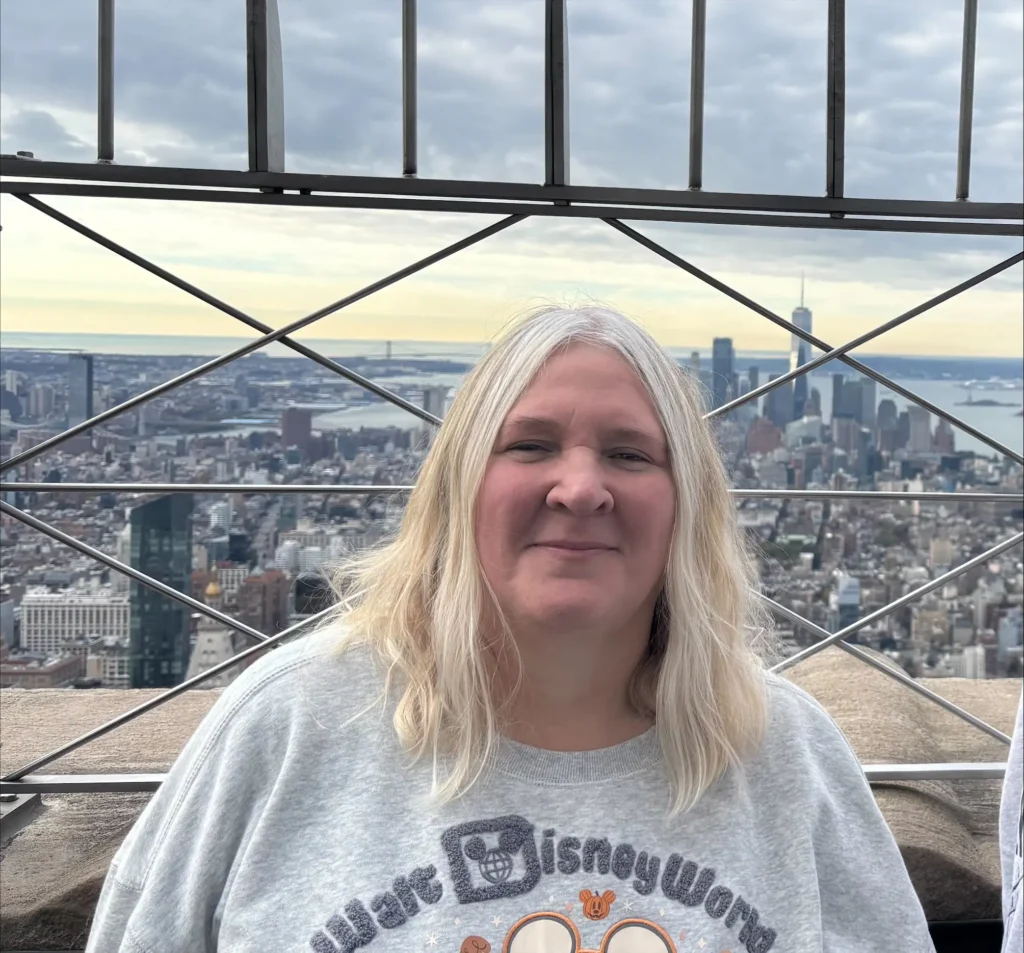
"I was prepared for the worst.”

Mickhala was 52 when a routine screening found breast cancer. After a mastectomy, she expected chemotherapy to come next, and dyed her hair pink to get ready. Then her care team told her about OPTIMA and asked whether she would take part.

Joined the OPTIMA trial while preparing for chemotherapy.

"I cried. It was a total shock."

Bora was 47, a former journalist serving as a local elected politician, when a lump she had checked turned out to be breast cancer. She researched everything she could find. When her care team told her about the OPTIMA trial, she said yes.

Joined the OPTIMA trial after her second surgery.
optima trial patient kathryn lomax

"I'd just assumed I'd have to have chemo."

Kathryn was 50 when her first routine mammogram found breast cancer. After surgery, she expected chemotherapy to come next. Then, meeting with her doctors, she learned about OPTIMA and the possibility of a different answer.

Joined the OPTIMA trial after surgery.
optima trial patient aileen

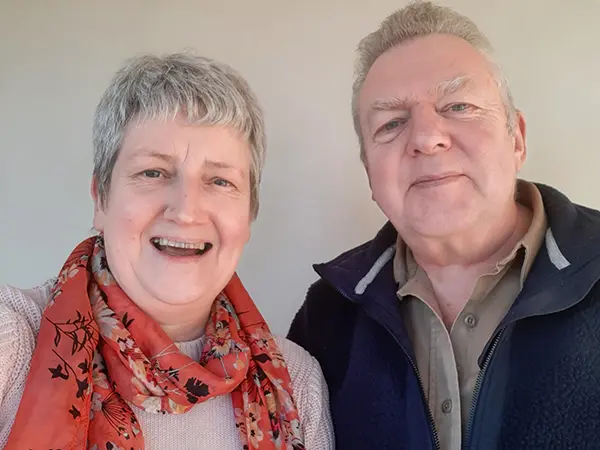
"If I had to have chemotherapy, I probably would have had to stop working."

Aileen and her husband run a dry-cleaning business, working six days a week. When she was diagnosed with stage three breast cancer, one of her first worries was what treatment would mean for their livelihood. Then she was invited to join OPTIMA.

Joined the OPTIMA trial after surgery.

Share your thanks

Add your name to ours in thanking the people who took part in the OPTIMA trial. Notes appear on the wall below.

"*" indicates required fields

#BecauseTheySaidYes

Notes to the people who said yes

Big thanks to all the patients who agreed to participate in OPTIMA! You made a huge difference in patient care.

Grazyna

Thank you for your bravery and willingness to partake in such a groundbreaking trial! Because of that, I now have the pleasure of helping other individuals obtain answers to best guide their treatment!

Shelena

Thank you for saying “yes” to breast cancer research. We’re all grateful for your time, your trust, and the difference you’ve made for those facing breast cancer today and in the years ahead.

Olivia

Thank you for participating and helping others at a time that you were having to make so many decisions.

Anna

Thank you so much for your courage in taking part.

Kingston

Notes are reviewed before they appear on the wall, and notes will not be published only if they contain personal health information or contact details; identify another person without consent; are unlawful, harassing, obscene, or defamatory; are spam, duplicated, or commercial; or they are unrelated to the OPTIMA trial.

Questions about the OPTIMA trial

OPTIMA was a clinical trial that tested whether the Prosigna test could help identify which people with early breast cancer were likely to benefit from chemotherapy. There were 4,429 people who took part people took part across six countries. The results were presented at the American Society of Clinical Oncology annual meeting in 2026.

Explore the media coverage and conversations about the OPTIMA trial and what it found*

More to explore

Two healthcare providers in lab coats laughing and talking in a bright hospital hallway.

Questions to Ask Your Doctor

Download
Older woman in a brown shirt consulting with a bald doctor in a white coat in a medical office.

Prosigna Breast Test for Patients

About The Test
two female physicians reviewing data on a tablet device

Unlocking the Power of Truly Personalized Breast Cancer Treatment

Read The Article

References

  1. Stein RC, et al. ASCO. 2026. DOI: 10.1200/JCO.2026.44.16_suppl.500

Disclaimers

* News coverage is provided for informational purposes and links to the original publisher. These news organizations are independent of Veracyte, are not affiliated with this campaign, and do not endorse Veracyte or any Veracyte product. All trademarks and headlines are the property of their respective owners.

† Donation. Veracyte will donate $25,000 to the Breast Cancer Research Foundation. The amount is fixed and is not affected by submissions to this site or by any purchase. The Foundation does not endorse Veracyte or any Veracyte product.

Sponsorship. This website is Sponsored by Veracyte, Inc., which develops and sells the Prosigna Breast Cancer Prognostic Gene Signature Assay discussed on this page.  OPTIMA is an independent academic trial led by University College London (UCL).

Not medical advice and Personal Stories. This site provides general educational information and is not medical advice, is not a substitute for care from a qualified healthcare provider, and it does not create a physician-patient relationship. Stories and notes on this site are the experiences of individual people and are not representative of what others should expect.  Breast cancer treatment, test results, and outcomes differ from person to person, and no result shown here is a prediction of any individual’s result. Talk with your doctor about whether genomic testing, including the Prosigna test, is appropriate for you.

About the trial and its results. OPTIMA (Optimal Personalised Treatment of Early Breast cancer using Multi-parameter analysis) is an international, randomized, Phase 3 trial. Results described here apply to trial participants with hormone receptor-positive, HER2-negative early breast cancer, aged 40 and older, assessed as high clinical risk, with up to 9 positive lymph nodes. Results in other populations have not been established. Individual results vary.  Learn more at https://www.optimabreaststudy.com/

Regulatory status. Prosigna testing is available in the United States as a laboratory developed test (LDT) service and has not been cleared or approved by the FDA.  The test is not yet available in New York.

The Prosigna Breast Cancer Prognostic Gene Signature Assay is available as an IVD test in territories where registered.

Talk to your doctor about whether Veracyte tests might be right for you.

This site incorporates the Privacy Notice, Terms of Use, and other terms further explained at https://www.veracyte.com. This site is intended for adults 18 years of age and older who reside in the United States.  If you believe information was submitted that does not meet these conditions, contact [email protected] and we will delete it.